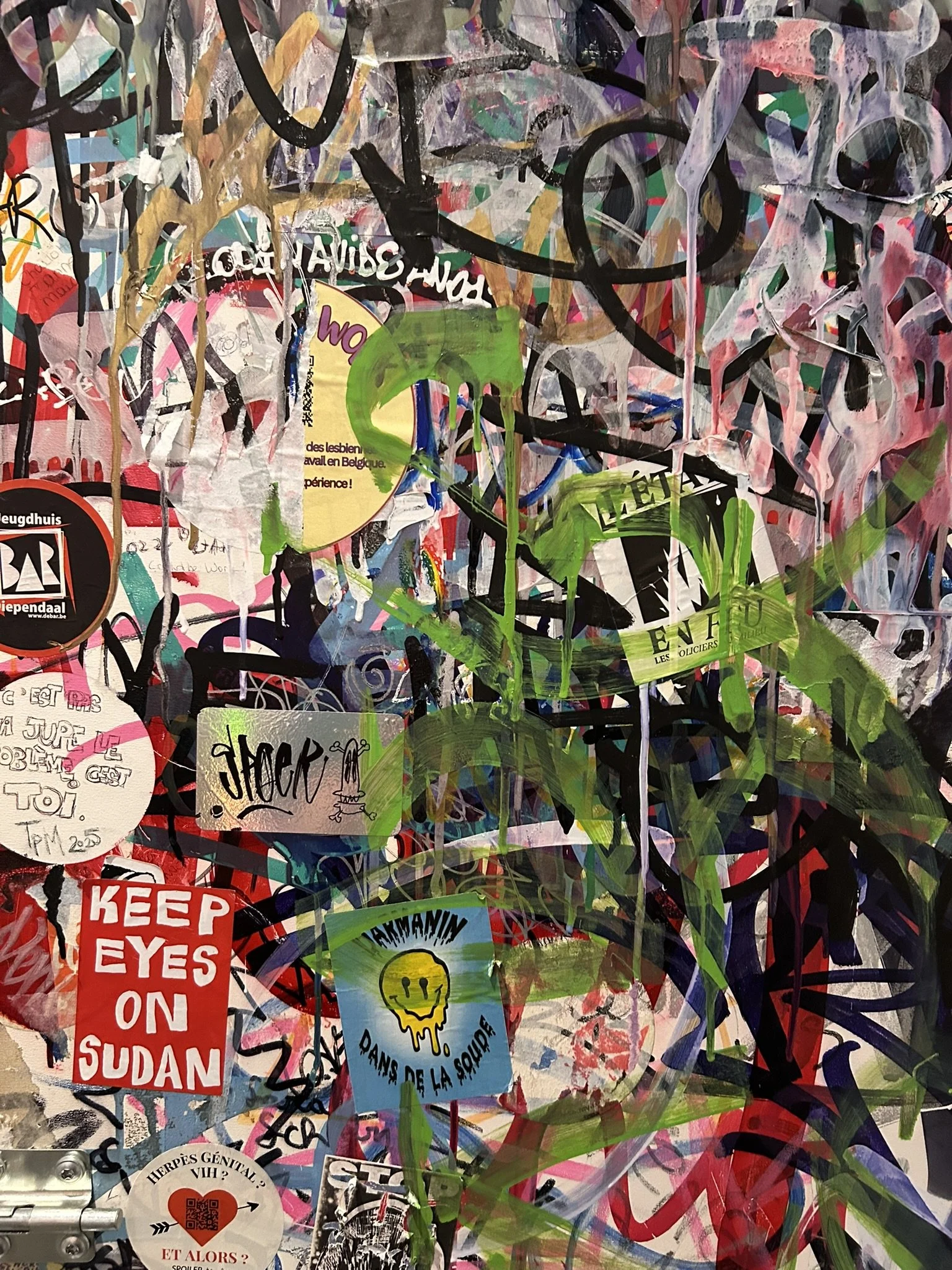
Signals - 01 the walls remember
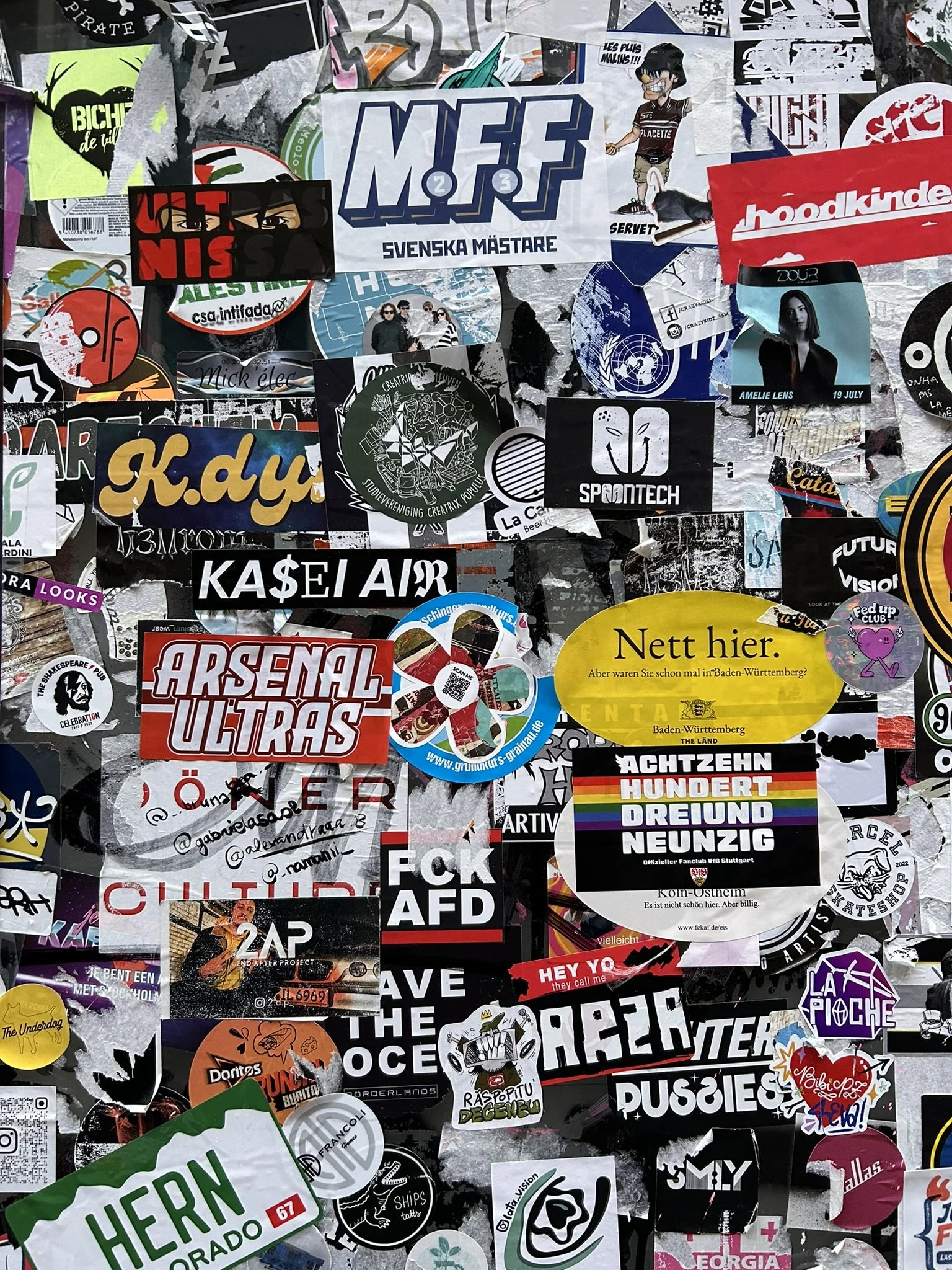
Polished clubs feel dishonest. Like faces that never stop smiling, they hide something. The air feels rehearsed, disinfected. The walls are too clean to remember anyone. I want the places that crack — where mirrors double you until you blur, where the sound leaks through the ceiling like a secret. The walls should tell stories, not brand guidelines.
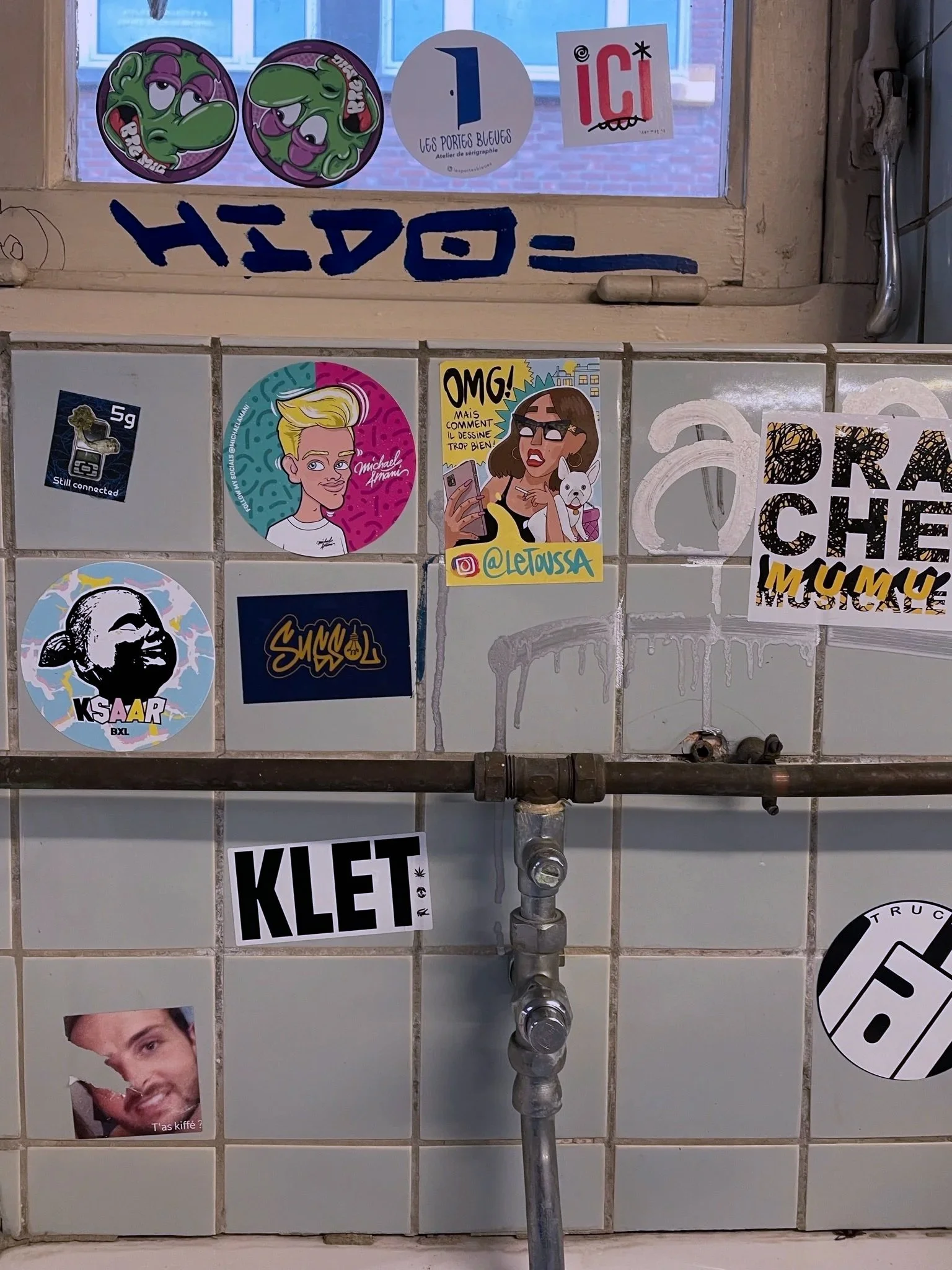
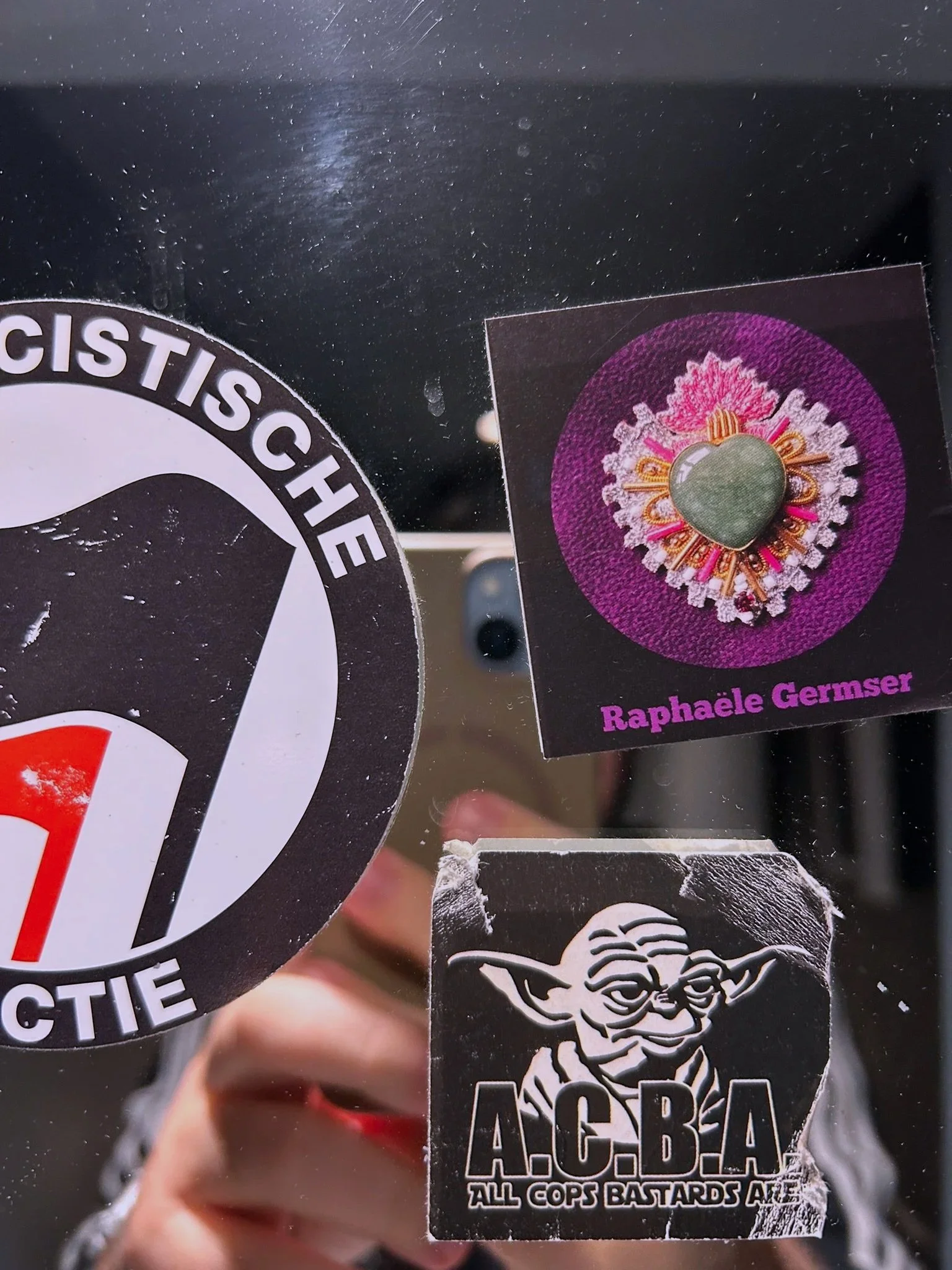
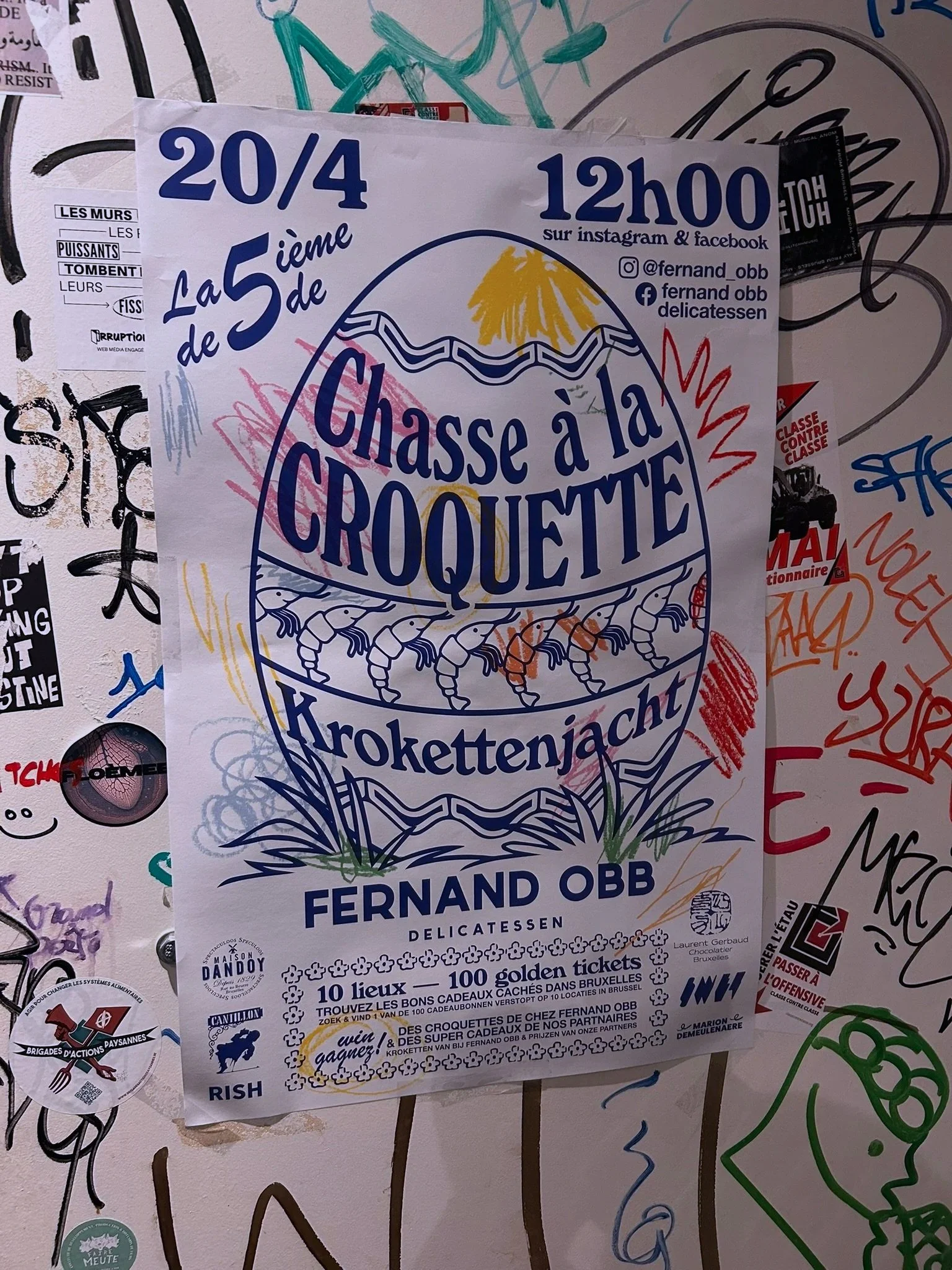
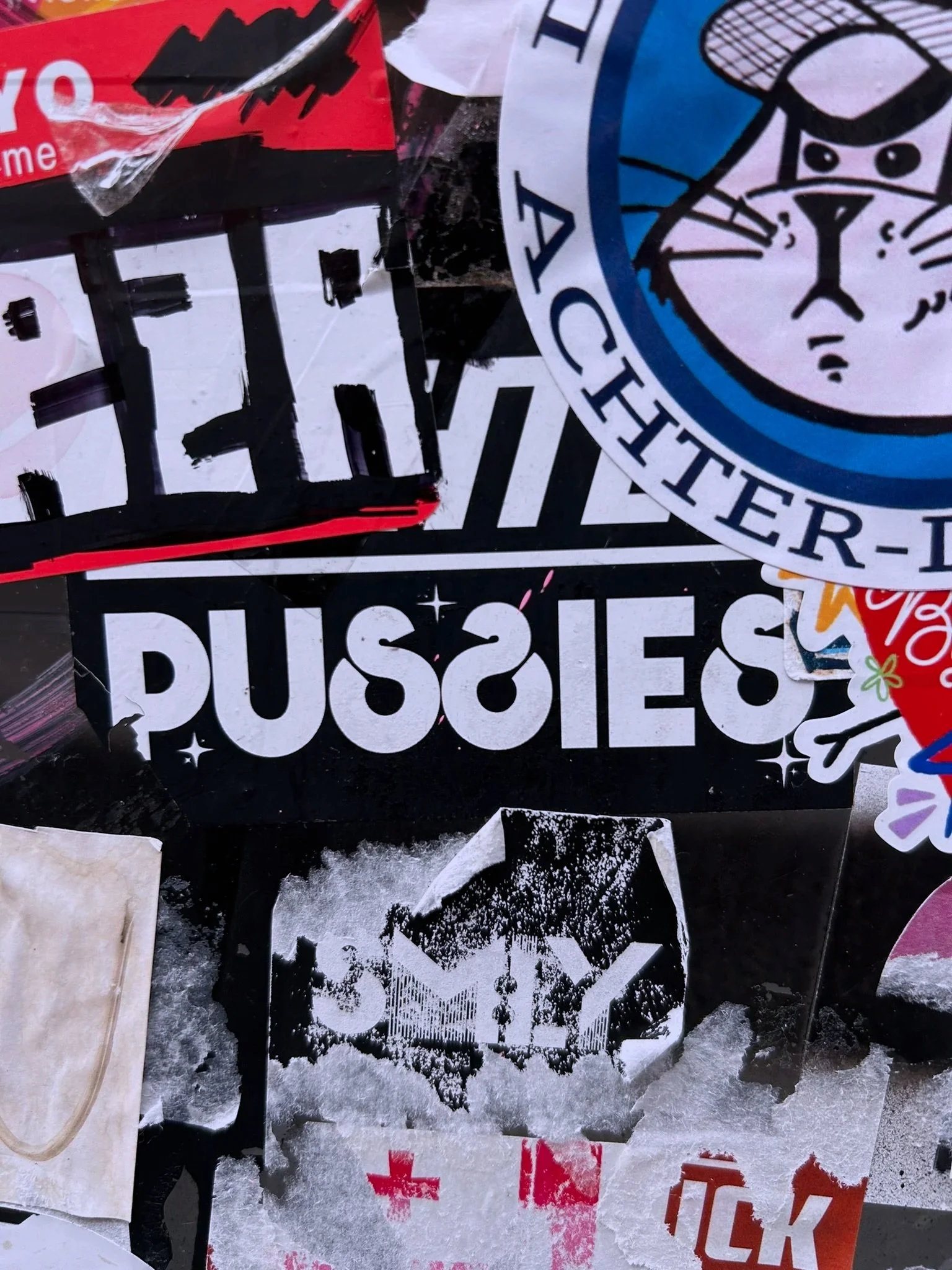
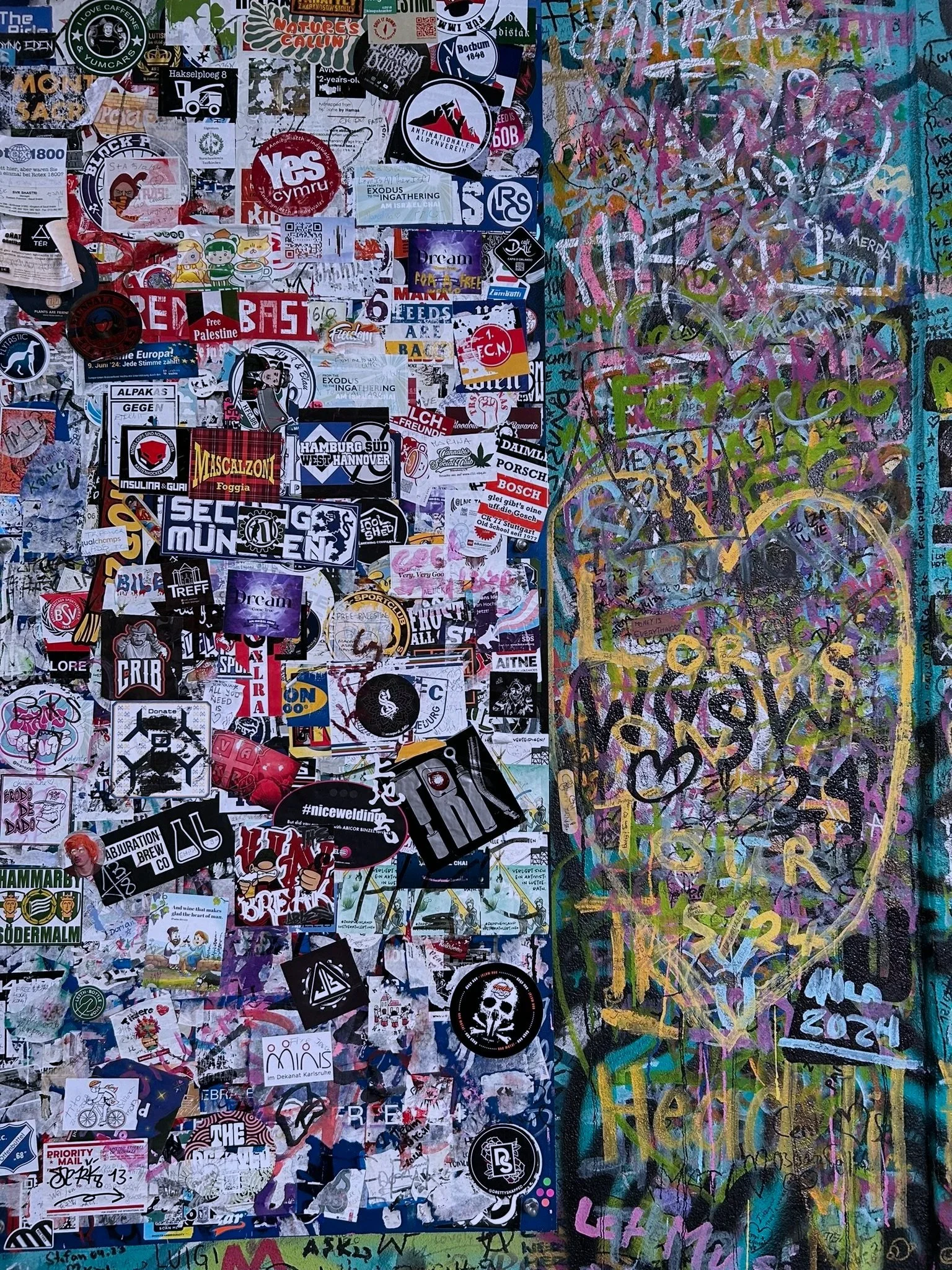
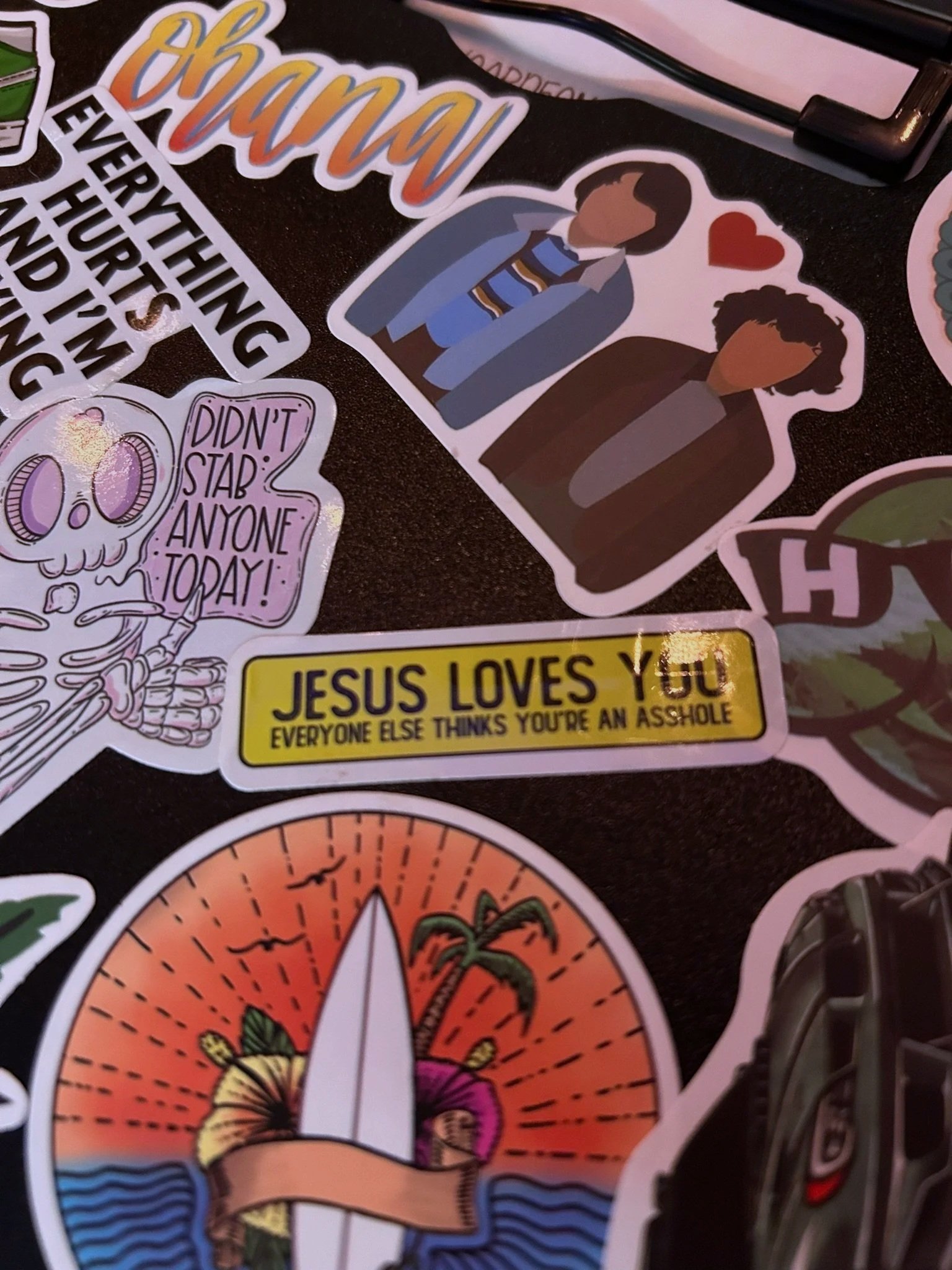
Every club that matters starts to speak through its surface. Stickers on bathroom tiles, doors, and DJ booths become the unofficial press release. They appear one by one — band logos, collectives, half-erased slogans, QR codes that no longer scan. Layer upon layer until the paint disappears. Together they form a rough topology of belonging: who played, who passed through, who wanted to leave a mark.
A sticker is the smallest form of permanence a night can have. The rest of the experience dissolves — smoke, sweat, sound — but the sticker stays. It’s a fossil of intention: proof that something happened here. In the morning, when the bass is gone, the residue remains. Cities build their unofficial archives on these surfaces. Berlin bathrooms, Paris squat doors, Milan’s lampposts, Lisbon’s train stations — all reading the same script written by different hands.
Some stickers are invitations. Others are threats, inside jokes, soft propaganda. In the 1980s, crews used them as breadcrumbs to trace sound systems across Europe. In the 2000s, DIY parties turned them into their only marketing tool — cheap, fast, analogue. Even now, in the algorithmic age, stickers outlive the feed. You can’t scroll past one. You have to touch it, or tear it off.
They’re tactile communiqués in a digital world, travelling from booth to booth, laptop to flight case, restroom mirror to phone cover. Each one a handshake between strangers who might never meet. You start to recognise them like constellations — that same yellow circle from a night in Marseille; a fading black-and-white logo that used to mean something in Ghent. The code shifts but the message holds: we were here.
In clubs, the sticker wall is democracy made visible. No curator, no hierarchy. Just sedimentation. New voices stick over old ones; someone rips a corner, someone else pastes over it. It’s an act of gentle vandalism that builds community — a layered, accidental mural of the underground.
Look close enough and you can trace an entire generation’s geography of joy and grief. Political slogans softened by humidity. Pride flags reinterpreted by local hands. Cryptic words that only make sense to those who were there. These surfaces age like skin — scarred, porous, alive.
Sometimes, in the middle of the night, someone peels a sticker from their pocket and adds it to the wall. No one notices, but the act is devotional. It says: I existed here. I touched this moment. The adhesive hums faintly in the heat.
By morning, it’s already part of the room’s DNA — one more signal layered into the archive. The walls remember. They hum with leftover conversation, a quiet network of paper and glue keeping the underground connected.