Motion 01 — The Quiet Act of Existing
To the endlessly doomscrolling adult of the hellscape we call now, everything feels like a guilt trigger, and rightfully so. Bombarded constantly by victim-shifting rhetoric about every issue, will I save the planet composting this banana peel? Can I really go on holidays while the world burns? Can I party and dance while the ashes of a genocide are still hot? Somewhere in a club bathroom, buried under stickers and plastic cups, someone scrawled: PARTYING IS A FORM OF RESISTANCE. It sounds naïve until it doesn’t.
Clubbing has always been more than noise, overpriced drinks, and shared chemicals. It’s infrastructure — temporary architecture built out of bass and sweat. Every generation builds its own, as if compelled by survival instinct. The dim light, the rhythm, the proximity of strangers — they’re tools for repair. When the surface of the world hardens, people go underground to find softness again.
Before the rainbow flags and the door policies, there were coded knocks and whispered passwords. In Weimar Berlin’s cabarets, queer and trans people invented gestures that meant safety. In Harlem’s rent parties, musicians like Gladys Bentley and Bessie Smith turned apartments into social revolts disguised as soirées. In the shadow of prohibition and policing, pleasure became a form of planning — how to exist when the world said you couldn’t.
When war came, people danced in blackout clubs — bomb sirens as percussion. When the postwar order turned moral again, queer bars went secret. Police raids, coded language, back doors. Every crackdown only proved the need for the floor. Resistance moved in rhythm, learning to disappear and reappear in new forms.
By the 1970s, disco emerged from this lineage — a sonic safe house built by Black, Latino, and queer creators who refused stillness. What started at The Loft or the Gallery wasn’t just nightlife; it was a rehearsal for freedom. The mix became the manifesto. The repetition wasn’t escape — it was endurance.
Out of disco’s ashes, house music rose in Chicago’s underground. Frankie Knuckles, spinning in an old warehouse, built communion out of drum machines. The dancefloor there was church and classroom — an early open-source model of queer liberation. Then came ballroom culture in 1980s New York: mostly Black and Latino trans women, crafting new categories of being through movement. The world outside erased them; inside, they choreographed their own reality. Every walk, every pose, was an act of authorship.
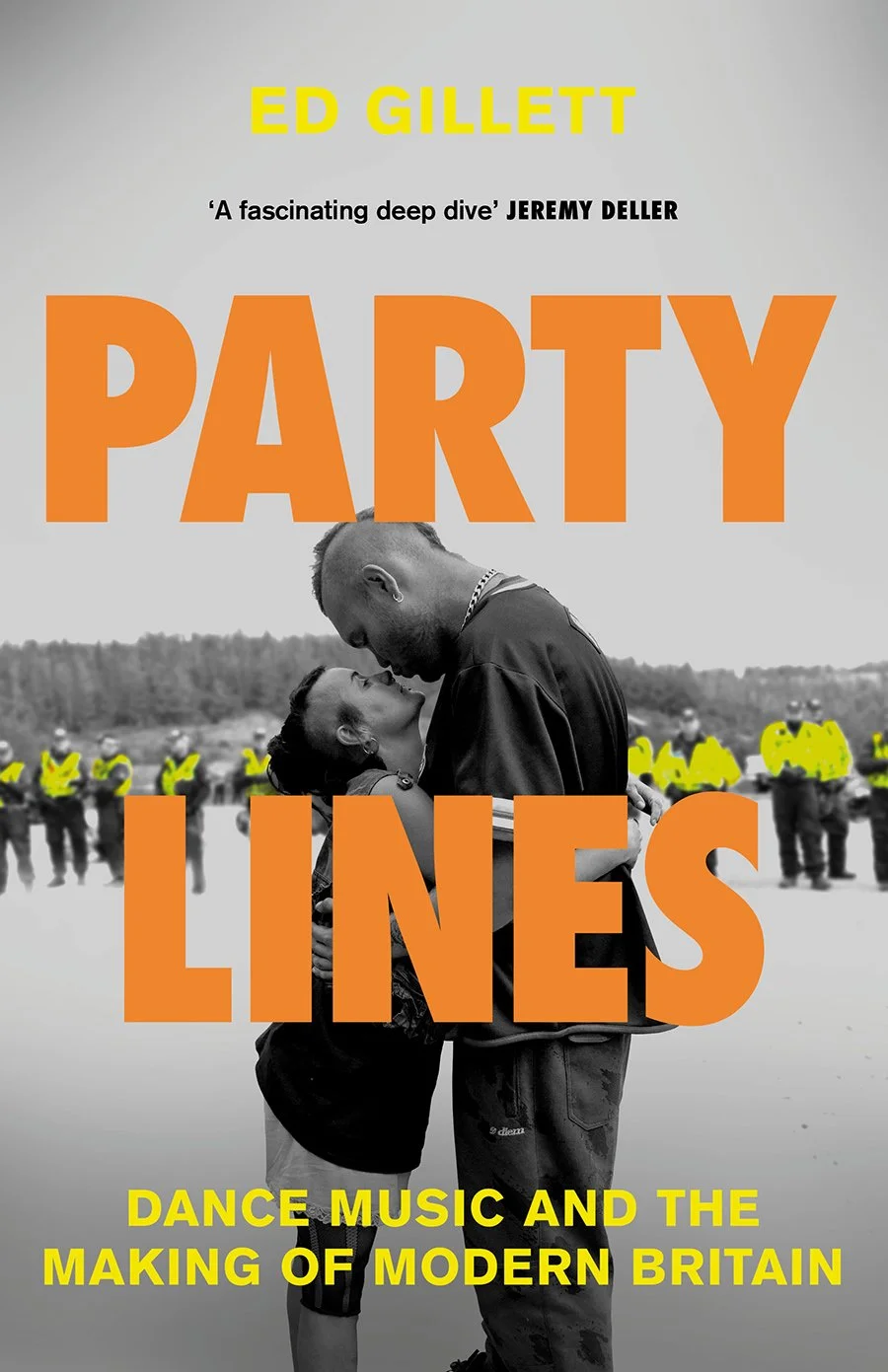
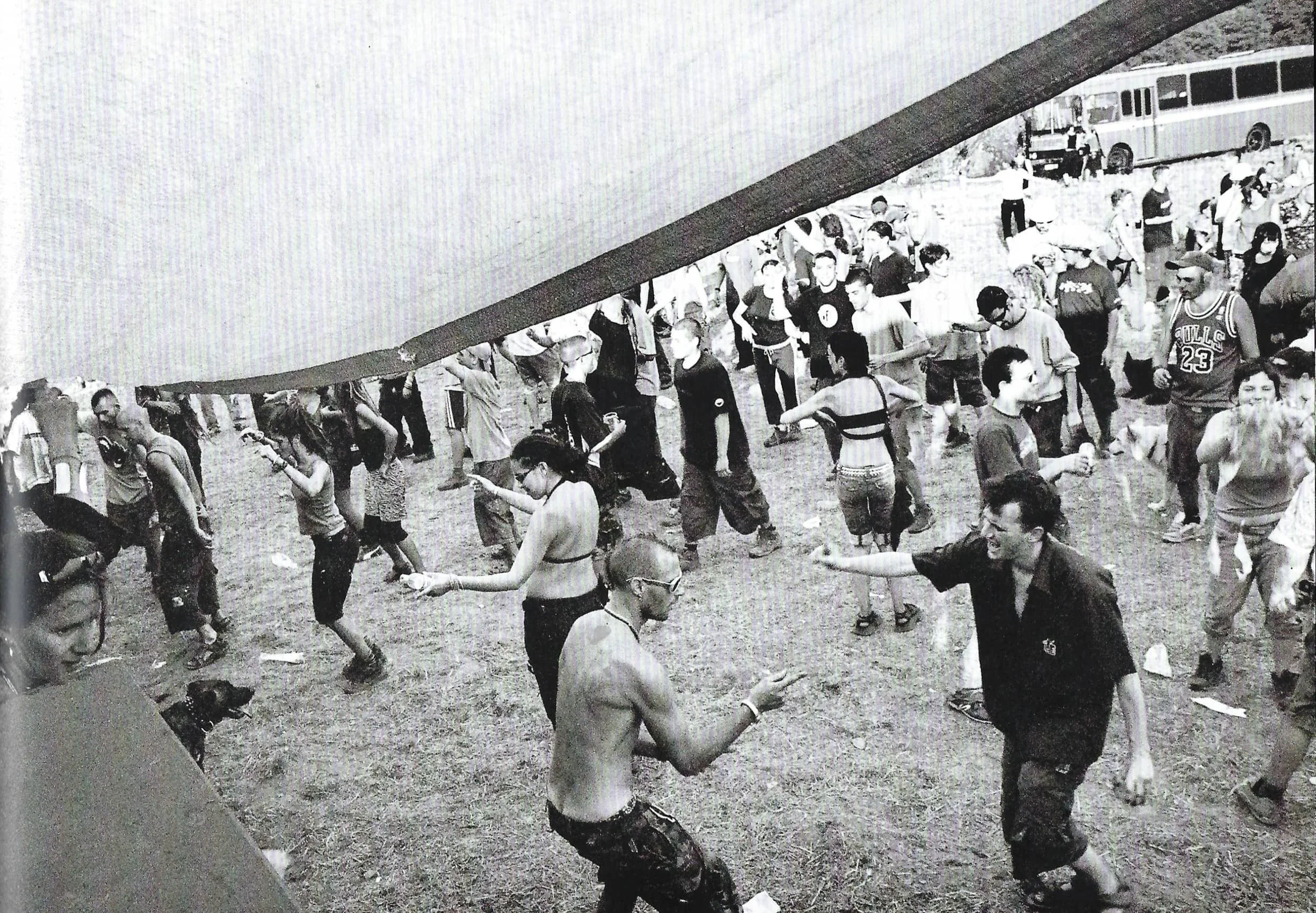
In parallel, across the Atlantic, the Free Party movement spread through fields and warehouses. Born in Thatcher’s Britain, it rejected ownership itself — no entry fee, no stage, no permission. When the government criminalized “music with repetitive beats,” ravers made the repetition louder. Trucks replaced clubs; fences became sound systems. The movement crossed to France, Germany, Eastern Europe — a continent of temporary utopias connected by subwoofer.
Clubbing has always adapted to crisis. During the AIDS epidemic, dancing became a eulogy you could survive. In the 1990s, when cities cleaned up and rents rose, resistance went mobile — after-hours raves, squats, basements. When nightlife got branded, when identity became commodity, people kept finding cracks in the system. Every decade adds another layer of sediment — tracks, sweat, cigarette burns — a living archaeology of dissent.
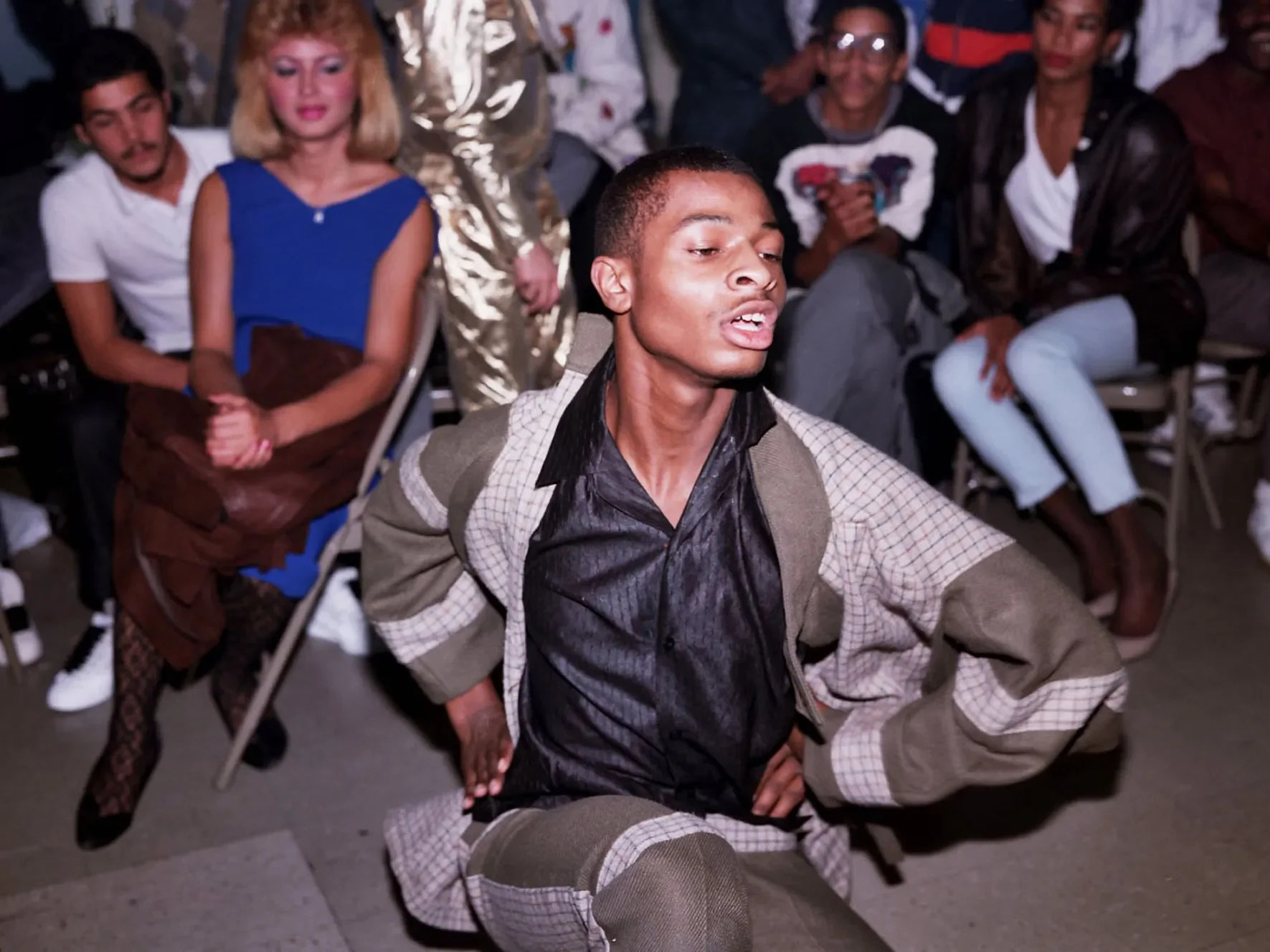
To call it escapism misses the point. These rooms aren’t built to flee reality but to reassemble it — to test new social contracts under strobe light. Within the noise, there’s care. Someone hands water to a stranger. Someone’s gender is recognized for the first time. Someone stops pretending.
Even refusing apathy can feel revolutionary. To sweat, to move, to connect and disconnect, to look away from collapse and focus instead on the brief utopia of the beat — that’s survival protocol. Every generation inherits the same frequency and transmits it forward.
The floor remembers. Every stain and scratch a record of presence, a physical archive of the insistence to be. Resistance rarely looks cinematic; it’s quieter than that. Sometimes survival wears sequins.
Now, algorithms organize desire. The club is a QR code, the guest list a data point. Surveillance at the door, biometric taps at the bar. But still: in backrooms, in basements, in cities that don’t want them, people gather. The infrastructure remains ephemeral but stubborn — a signal repeated through time.
In Berlin, collectives like Room 4 Resistance reclaim dancefloors for queer and trans bodies of color. In Tbilisi, Bassiani turns police raids into street protests. In Beirut, DJs mix amid power cuts and revolution. Every beat carries a trace of those who risked something to keep moving.
FURTHER READING